
Introduction
Project planning is the roadmap for your work. It defines your goals, the steps to reach them, and the resources you need. Scheduling is the part where you put those steps onto a calendar. Together, they ensure everyone knows exactly what to do and when to do it.
Ever started a big task and felt totally lost halfway through? That is exactly what happens when you skip the planning phase. Most projects fail not because the team is bad, but because the timing is off. Having a solid schedule turns a stressful “guessing game” into a clear, manageable path to success.
In this guide, we will break down the essential tools and techniques for beginners. You will learn about milestones, task dependencies, and how to use simple charts to track your progress. It’s all about working smarter, staying organized, and hitting your deadlines without the last-minute panic.
What Is Project Planning and Scheduling?
Project planning is like drawing a map for a long trip. It is the process of defining your goals and figuring out exactly how to reach them. You identify the specific tasks that need to get done and the tools you will need. Essentially, it is the big-picture strategy that keeps your team moving in the right direction.
Scheduling is where you take those tasks and put them on a calendar. It is all about timing and order. You decide which jobs must come first and how long each one will take. By setting these dates, you create a clear timeline that helps everyone stay on track and meet their deadlines without feeling rushed.
Why Project Planning and Scheduling Is Important
Successful projects are based on planning and scheduling. Without a plan, small mistakes can quickly turn into huge problems. These steps give your team a clear sense of purpose and keep everyone focused on the same goal. When everyone knows their role, there is less confusion and much more productivity.
Good scheduling also helps you manage your time and money wisely. It allows you to see potential roadblocks before they happen so you can fix them early. Here are a few key reasons why this process matters:
- Prevents Overlapping: It ensures two people aren’t trying to do the same task at once.
- Sets Clear Deadlines: Everyone knows exactly when their work is due.
- Reduces Stress: A clear path forward stops the team from feeling overwhelmed.
- Saves Money: By avoiding delays, you keep the project within its budget.
Difference Between Project Planning and Scheduling

Project planning and scheduling are often used together, but they serve different purposes. A project plan is what you do and how you do it. It involves defining the scope, setting objectives, and identifying the resources you need. Think of it as the foundation of a house; it’s the overall design that ensures the structure will stand.
Scheduling is the “when” of the project. It takes the tasks identified during planning and attaches them to a specific timeline. While planning focuses on the strategy, scheduling focuses on the execution and timing. You can have a great plan, but without a schedule, you won’t know if you are finishing your work on time.
| Feature | Project Planning | Project Scheduling |
| Main Goal | To define the project scope and goals. | To create a timeline for tasks. |
| Focus | Focuses on the “What” and “How.” | Focuses on the “When” and “Who.” |
| Timing | Happens at the very start of the project. | Happens after the plan is established. |
| Key Output | Project Charter, Budget, and Scope. | Gantt Charts, Calendars, and Deadlines. |
| Resources | Identifies what resources are needed. | Assigns resources to specific dates. |
| Flexibility | Sets the broad strategy (less frequent changes). | Adjusted often based on daily progress. |
| Risk | Identifies potential risks to the project. | Manages how delays affect the end date. |
Key Elements of Project Planning
Project planning starts with a clear vision. You must define exactly what you want to achieve and what the final result should look like. This is called the project scope. By setting these boundaries early, you prevent the project from growing too big or becoming too expensive to finish.
Next, you need to identify the resources and people required to get the job done. This means looking at your budget, your team’s skills, and the tools available to you. A good plan acts as a guide for everyone involved, making sure no one is confused about their responsibilities.
Here are the essential elements every plan should include:
- Goals and Objectives: What does success look like for this project?
- Tasks and Milestones: The small steps and major checkpoints along the way.
- Resource Allocation: Who is doing the work and what tools do they need?
- Risk Management: A backup plan for things that might go wrong.
- Communication Plan: How and when the team will share updates.
Key Elements of Project Scheduling
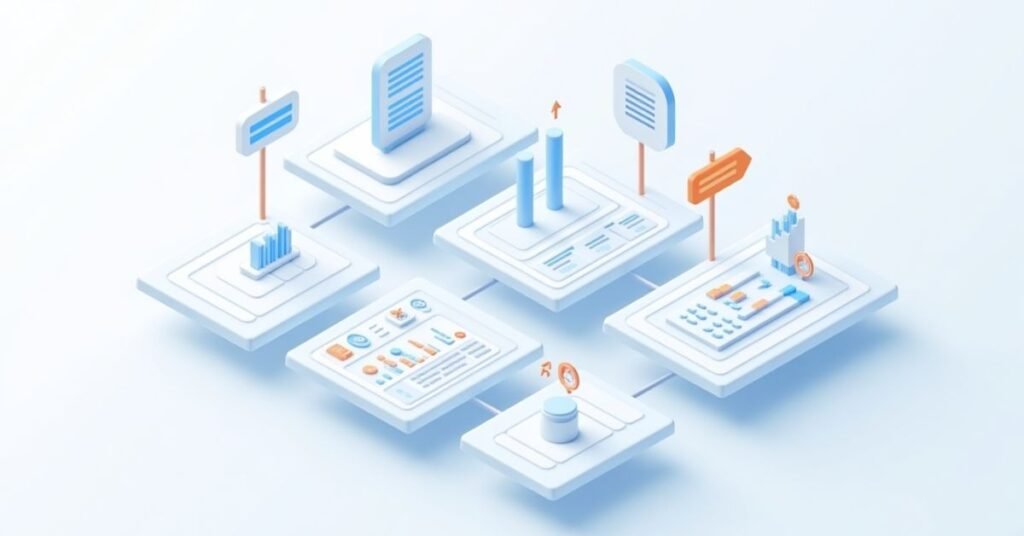
Project scheduling is all about timing and order. You take your list of tasks and decide which ones need to happen first. This creates a logical flow for the work. It also helps you see how long the entire project will take from start to finish. Without a schedule, the team might wait around for tasks that aren’t ready yet.
A great schedule also assigns specific people to specific dates. This makes everyone accountable for their own part of the project. You can see at a glance if someone has too much work or if a deadline is at risk. It turns a big, scary project into a series of small, manageable steps.
Read for more info: https://expertcisco.com/team-collaboration-tools/
The best format for your schedule should include:
- Task Dependencies: Identifying which tasks must finish before the next one starts.
- Milestones: Major progress points that show you are hitting your goals.
- Critical Path: The sequence of stages that determines the shortest time to finish.
- Buffer Time: Extra time added to handle unexpected delays or mistakes.
- Resource Availability: A clear view of when your team members are free to work.
Project Planning Techniques
Project scheduling is all about timing and order. You take your list of tasks and decide which ones need to happen first. This creates a logical flow for the work. It also helps you see how long the entire project will take from start to finish. Without a schedule, the team might wait around for tasks that aren’t ready yet.
A great schedule also assigns specific people to specific dates. This makes everyone accountable for their own part of the project. You can see at a glance if someone has too much work or if a deadline is at risk. It turns a big, scary project into a series of small, manageable steps.
The best format for your schedule should include:
- Task Dependencies: Identifying which tasks must finish before the next one starts.
- Milestones: Major progress points that show you are hitting your goals.
- Critical Path: The sequence of stages that determines the shortest time to finish.
- Buffer Time: Extra time added to handle unexpected delays or mistakes.
- Resource Availability: A clear view of when your team members are free to work.
Best Tools for Project Planning and Scheduling
Choosing the right tool is like picking the right vehicle for a trip. Some people only need a simple bicycle for quick errands, while others need a heavy-duty truck for a big move. In the world of projects, your tool should match your team’s size and the complexity of your goals. Modern software makes it easy to visualize your progress and keep everyone on the same page without the mess of endless spreadsheets.
The best tools today use automation to handle the boring stuff, like sending reminders or updating dates. This lets you focus on the actual work instead of the paperwork. Whether you prefer a visual board or a detailed list, there is a platform designed to fit your style. Below is a comparison of some of the top-rated tools for 2026 to help you decide.
| Tool | Best For | Top Feature | Price Range |
| Trello | Beginners & Visual Thinkers | Easy Drag-and-Drop Kanban Boards | Free to $17.50/user |
| Monday.com | Visual Tracking & Dashboards | Colorful Timelines & Automation | Free to $16+/user |
| ClickUp | All-in-One Customization | 15+ different project views | Free to $12+/user |
| Asana | Team Coordination | Clean task lists and dependencies | Free to $24.99/user |
| Jira | Software & Technical Teams | Agile Sprints and Bug Tracking | Free to $15+/user |
| Wrike | Complex Enterprise Projects | Advanced Resource Management | Free to $24.80+/user |
| Notion | Notes & Knowledge Bases | Flexible “All-in-One” Workspace | Free to $15+/user |
Common Mistakes in Project Planning and Scheduling
One of the biggest mistakes is being too optimistic about time. Many people forget to account for breaks, meetings, or the time it takes to fix errors. This leads to “cramming” at the end, which lowers the quality of the work. If you don’t build in a little extra breathing room, one small delay can ruin your entire timeline.
Another common pitfall is poor communication with the team. Sometimes a project manager creates a plan without asking the people who actually do the work. This results in unrealistic deadlines and frustrated employees. A plan only works if everyone involved understands it and agrees that the goals are reachable.
Watch out for these frequent errors:
- Scope Creep: Letting the project get bigger and bigger without adding more time or money.
- Ignoring Risks: Assuming everything will go perfectly and having no “Plan B.”
- Micromanagement: Focusing so much on tiny details that you lose sight of the big goal.
- Underestimating Costs: Forgetting to track hidden expenses like software licenses or shipping.
- Not Updating the Plan: Creating a beautiful schedule on day one but never looking at it again.
Conclusion
In short, project planning and scheduling are the keys to a stress-free work life. They turn a messy pile of ideas into a clear, organized path to success. By taking the time to plan now, you save yourself from countless headaches and late nights later on. It is all about giving your team the clarity they need to do their best work.
Remember that a plan doesn’t have to be perfect from the start. It is a living document that grows and changes as your project moves forward. Stay flexible, keep talking to your team, and use the tools available to keep things on track. With a solid foundation in place, you are ready to tackle any project with confidence.
FAQs
1. What is the main difference between a plan and a schedule?
A plan defines the goals, tasks, and resources needed for a project. A schedule takes those tasks and assigns them specific dates and deadlines on a calendar.
2. Why do I need a project schedule if I already have a plan?
A plan tells you what to do, but a schedule tells you when to do it. Without a schedule, it is impossible to know if you are on track to finish by your deadline.
3. What is “Scope Creep” and how do I avoid it?
Scope creep happens when new tasks are added to a project without increasing time or budget. You can avoid it by having a clear, signed agreement on what the project includes before you start.
4. What is the best tool for a beginner?
Trello or Monday.com are great for beginners because they are very visual and easy to use. They allow you to see your progress using simple boards and lists.
5. How often should I update my project schedule?
You should review and update your schedule at least once a week. Regular updates help you catch delays early and adjust your team’s workload before it becomes a problem.